

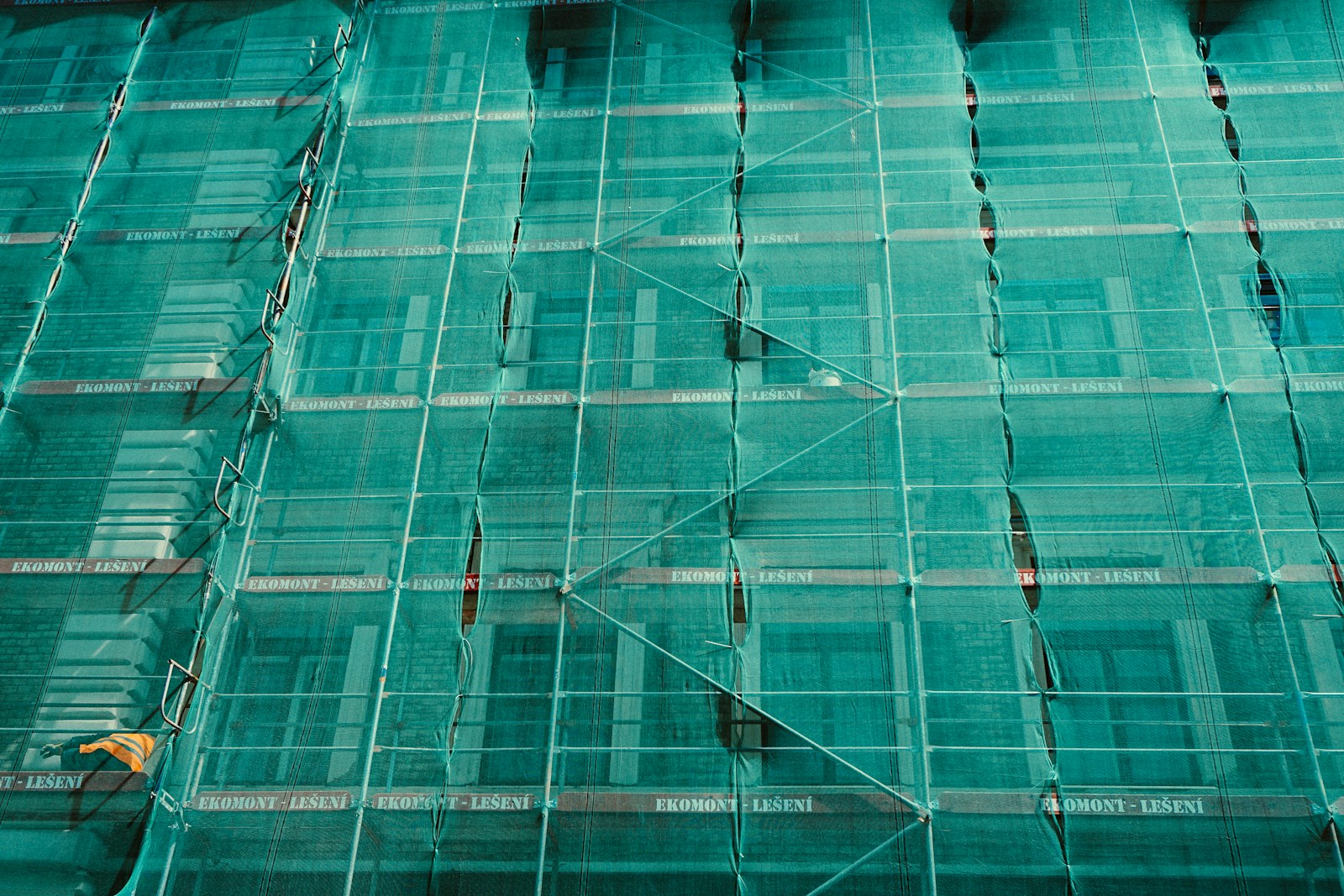
Facade scaffolding might go unnoticed by many, but for those involved in renovating Switzerland’s classic architecture—especially in charming towns like Flamatt and the iconic city of Bern—it’s absolutely essential. As most buildings across the country were built before 1975 and are now due for vital upgrades, scaffolding ensures that workers can do their jobs safely and efficiently, even in busy neighborhoods with little space and strict safety standards. Let’s explore what facade scaffolding means for Flamatt and Bern’s properties, current trends, usual hurdles, and local advice from trusted experts.
Understanding Facade Scaffolding
Facade scaffolding is made from simple, stackable frames—usually steel or aluminum—set up along a building’s exterior walls. This setup provides secure work platforms, letting painters, insulators, and repair crews reach different heights smoothly. Today’s scaffolding systems can reach beyond 50 meters high and stretch 150 meters along building exteriors. In Switzerland, scaffolding first appeared in the industrial age and significantly improved after WWII with modular systems that are quick to set up in even the oldest, most squeezed streets like Bern’s medieval old town.
The Role of Scaffolding in Swiss Renovations
A large update of Swiss facades is underway: nearly half of all buildings made before 1975 have been refurbished or at least repainted within the past fifteen years—and the trend now is to fully modernize them for energy savings. Historic locations in Bern and Flamatt bring extra challenges since scaffolding must fit into cramped streets and protect historical details. Firms such as KUGE BAU AG have become experts at these custom approaches, offering solutions especially for regions with uneven ground, winding alleys, or protected buildings.
Modern Trends and Major Applications
Spending on renovations increased by over 4% in Switzerland last year, raising the need for flexible and fast scaffolding. Recent developments include lighter aluminum frames (which save almost a third of the regular setup time), extra-strong safety nets, and roofs up to 40 meters long to work through rain and snow. In busy places like Flamatt and Bern, these scaffolds support a range of jobs: from repainting villas to adding wall insulation or managing large clean-ups in factories. Companies usually handle everything from measures and installation to breaking it all down when finished.
| Trend | Main Benefit | Local Example |
|---|---|---|
| Modular, Lightweight Aluminum | Cuts assembly time by 30% and eliminates heavy hauling | Fast setup even in narrow Bern backstreets |
| Full Safety Compliance | Guarantees worker protection at any height | Ensures regulatory safety for historic spots |
| Digital Project Planning | Perfect adaption to tricky old buildings | Pilot projects across Bern using 3D scans |
Together, these changes cut costs, reduce transport needs, and keep building projects running on schedule—all extremely important given the risks (and penalties) for delays in the Swiss construction industry.
Who Offers Scaffolding in Flamatt and Bern?
There are several skilled teams ready to help, but KUGE BAU AG(mehr erfahren) stands out with its 20,000 square meters of available scaffolding materials and its owner-led approach from start to finish. They promise fast price quotes and never route your inquiry through a call center. HBB Gerüstbau focuses on scaffold solutions for rooftops and solar panel additions in Flamatt, while CH-Gerüstbau specializes in FACades for bigger renovations across Bern. For projects needing premium options, Volken Group covers the entire country with high-safety constructions for all types of renovations.
| Provider | Key Strengths | Where They Operate |
|---|---|---|
| KUGE BAU AG | Experienced team, start-to-finish support, local expertise | Flamatt, Bern, and Seeland |
| HBB Gerüstbau | Good for solar panel scaffolds and roofing work | Around Flamatt |
| CH-Gerüstbau | Custom scaffolds for complex buildings | Throughout Bern and environs |
| Volken Group | National coverage, top-of-the-line safety | All over Switzerland |
Going with a nearby provider, such as KUGE, has clear benefits—they understand local laws, provide rapid response, and know the terrain well.
Common Misunderstandings and FAQs
A frequent misconception is that all scaffolds are similar, but in reality, only equipment stamped and approved by Switzerland’s supervisor agency is allowed if installed above three meters. Sometimes, people fear that scaffolding will slow down their project. Actually, experienced specialists like KUGE can erect complete systems in just a day or two, which minimizes project downtime. Typical questions include: “What does it cost?” (Most prices are clear and cover setup, rental, and cleaning), and “What about bad weather?” (Most scaffoldings come protected by rain covers or heavy-duty plastic wraps).
Urban Renovation Challenges
Bern’s tight streets and Flamatt’s blend of farmland and industry pose special issues. Sometimes, regulations mean certain buildings need custom-designed mounts or permission from heritage authorities. Plus, significant changes to worksite safety rules launched in 2022 mean every scaffold must pass a safety check and have nets in elevated areas. Bespoke features or unusual building shapes raise prices a little, but the risk and cost from poor-quality, slow setups are far higher in the long run.
What’s Next for Swiss Scaffolding?
The popularity of energy-efficient renovations—in part, thanks to local grants—means even older assets are getting serious upgrades, which boosts property values. Meanwhile, digital tools are helping design quicker, lighter scaffolds, and firms like KUGE are shifting towards more eco-friendly materials and faster panel systems. The results? More jobs, reliably preserved history, and greener upgrades for local communities.
Tips to Run a Successful Renovation
If you’re getting ready to renovate, begin with an on-site evaluation—some local firms offer them for free. Here are the main steps you’ll want to cover:
- Define the project—how high is the building and how long will the work last?
- Request quotes with quick turnaround times (within two days if possible).
- Double-check that every scaffold is certified.
- Plan for possible adjustments to your setup mid-renovation.
- Schedule for prompt breakdown and safe removal (so neighboring spaces aren’t blocked longer than needed).
Some simple but important tips: Use light-weight, modular frames for maximum efficiency. Budget savings on scaffolds made from aluminum, as they’re often 20-30% less expensive compared to traditional steel. While your project is underway, insist on regular maintenance checks. In cold or windy periods, try pairing your scaffold with special wraps or protected “tunnels” to keep workers and the building shielded from bad weather and dust.
Elevate Your Renovation—Safely and Efficiently
In short, facade scaffolding does more than keep visitors and workers safe. It’s a mainstay, holding together the promise of turning Bern and Flamatt’s older facades into clean, more sustainable spaces with renewed value. If you have a property in the area needing work, consider local professionals like KUGE BAU AG for a detailed, obligation-free consultation—and enjoy a smoother, safer path toward restoring your valuable building.
Word count: Approx. 1118