

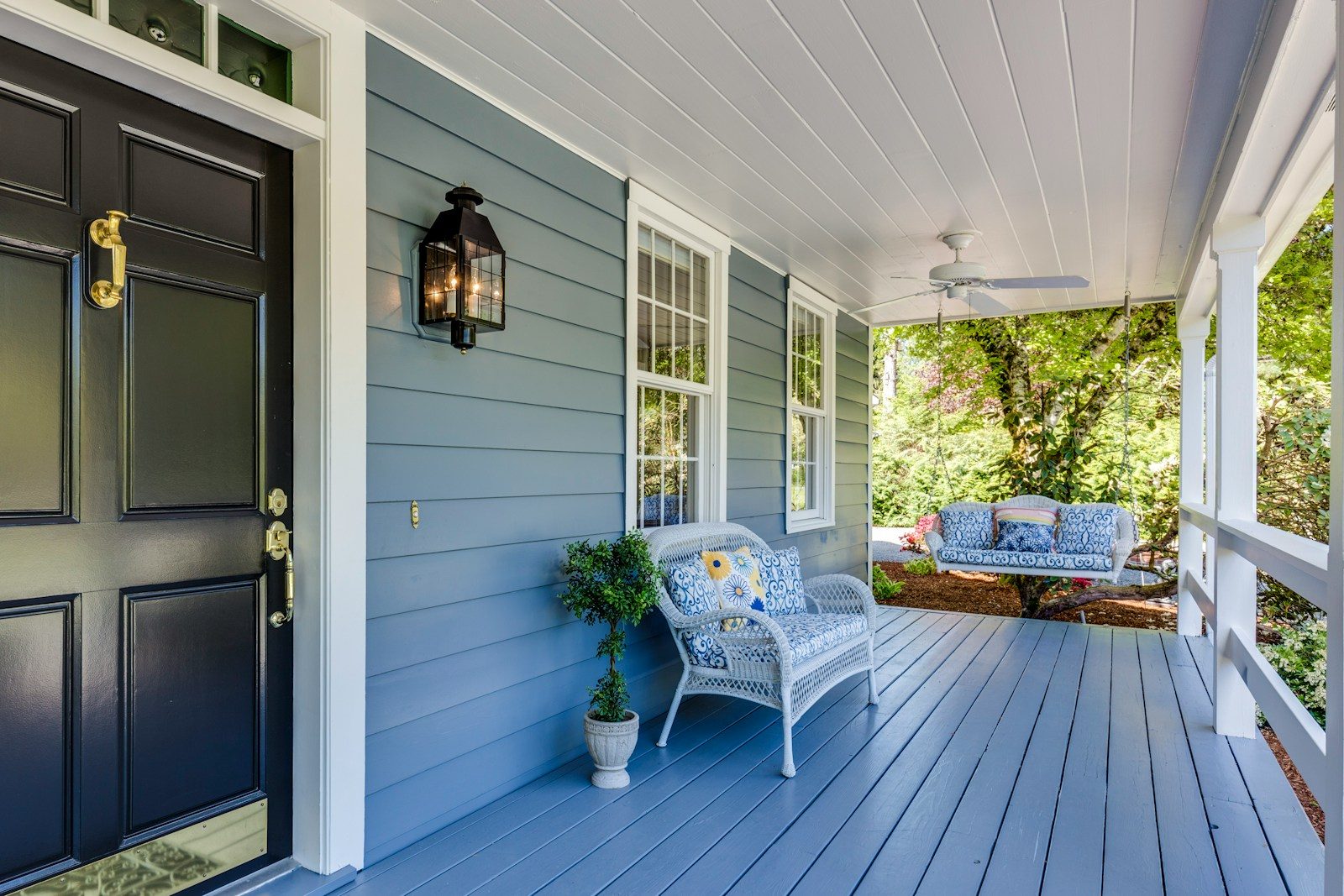
Living in Thun means enjoying gorgeous alpine views and fresh lakeside air, but homeowners quickly discover that the changing climate makes life tough for exterior paint. Not only does paint need to look great, but it also has to stand up to everything from icy winter winds to hot summer sun and regular dampness drifting in from the lake. That’s why when it comes to painting homes or buildings here, experienced painters pay close attention not just to color but to the chemistry of the paint, the way the surface is prepared, and how well the finish will stand up to local conditions.
If you’re considering an exterior project and want results that last, take a lead from the pros and focus on durability, thorough prep, and picking the right primer – not just convenience or price. And if you’d prefer expert help, you can always consult Malerarbeiten in der Region Thun for trusted local painting services.
Why Thun’s Climate Requires Special Paint
Exteriors in Thun face frequent temperature shifts, strong sun, rain, and occasional snow. These weather changes stress paint in several ways: moisture can sneak under the coating, sunlight can break down pigments, and constant expansion and contraction can stretch a finish until it cracks. Paints that handle these pressures best offer features like strong UV resistance, water repellency, flexibility, and mildew resistance.
A paint that’s called “weatherproof” on the label doesn’t always mean it performs here. In Thun, the ideal product should not just resist minor weather events. It needs to reliably keep its color without fading in sunshine, repel water, and flex with the building as temperatures shift – so it stays looking good, even as the seasons change.
The Exterior Paint Professionals Prefer
In today’s painting world, experts almost always recommend 100% acrylic latex for outdoor jobs. This type of paint is prized for lasting color, flexibility, and strong protection against mildew – exactly what’s needed for Thun’s unpredictable environment. Acrylic formulas offer a tough, breathable finish, bonding well to most surfaces while allowing any trapped moisture to escape.
Flexibility really matters here. As wood, brick, or stucco expands and shrinks from daily and seasonal temperature changes, rigid paints are more likely to split or peel. Acrylic systems, though, move right along with the building, reducing cracking and breakdown.
Renovating an older building or painting over worn or unknown older layers? Premium acrylic is still the best bet. Just make sure your specific product is rated for the temperatures expected both during and after application, since many paints have strict minimums for proper curing.
Key Features to Look for on Paint Labels
Pro painters never choose based on brand alone. Instead, they check for specific performance features that can make or break a paint job in a challenging climate like Thun’s. The most valuable qualities include:
- UV resistance and fade protection
- Mold and mildew resistance
- Designed for all-weather use
- Water-repellent properties
- Flexibility or “elastic” finish
These details aren’t just sales talk. Each one helps solve a real problem – UV protection slows fading, water resistance keeps blisters and peels away, flexibility lets paint stretch as surfaces move, and mildew resistance is a must in humid or rainy stretches.
The Surface Matters More Than the Paint
Non-experts often focus on the topcoat, but professionals know that paint only lasts as long as the surface it sits on. Before any paint goes on, the surface should be spotless, dry, and smooth. Proper surface prep is crucial for a long-lasting, good-looking finish.
Start by washing away dirt, dust, and any old loose paint. Then fix cracks, holes, or other problem spots. For many surfaces – especially bare wood, patched areas, or metal – a reliable primer is essential. It seals the underlying material and ensures the final paint sticks properly and stays looking fresh.
Timing the Paint Job Is Just as Important
No matter how good the paint, putting it on in the wrong weather can ruin the project. Most quality paints, especially acrylics, have required temperature and humidity ranges where they’ll stick and cure like they’re supposed to.
Don’t paint just before rain, during high humidity, in very hot direct sun, or if it’s colder than what your paint is rated for. Some modern paints are better at drying in lower temperatures, but each product has its own limits. Stick to what the label recommends, or you risk peeling, cracking, or other failures.
Why Flexibility and Good Coverage Matter
Thun’s swinging temperatures put real stress on painted finishes. That’s why a paint’s flexibility – its ability to stretch and return as the building moves – goes a long way toward keeping it looking good over time. This is especially true if your home has older wood, masonry, or weathered walls.
Durability is also about how well the paint covers. A paint that leaves a consistent, thick shield (called “film build”) does a much better job protecting the wall from the elements. That’s one reason higher-end paints, with more pigment and better binders, so often outlast cheaper products.
Color: It’s About More Than Looks
Choosing the perfect color isn’t only about style. The shade you select can change how quickly your paint job fades or collects heat. Pale, reflective colors stay cooler and help maintain their appearance longer in bright Alpine sunshine, while dark tones absorb light and are more prone to visible fading and heat buildup. If you love deeper hues, make sure to choose paints specially formulated for UV resistance so your bold look doesn’t quickly dull.
Don’t Rely on a Single Coat
It might be tempting to save time or money by doing just one thick coat, but professionals agree: two thin, even coats always beat a single heavy layer. This approach offers fuller coverage, truer color, and more reliable protection from wind, rain, and sun. Rushed or thick coats can trap moisture and lead to peeling or uneven texture.
Tools and Technique: The Finishing Touch
Using good-quality brushes and rollers that match your paint and surface pays off with a smoother, longer-lasting result. On rougher surfaces or during cooler days, pro painters select tools designed to hold paint well and provide even coverage.
Technique counts just as much: painting during the driest, most stable part of the day and letting each coat dry fully before the next goes on keeps the finish strong and sound.
Quick Checklist for a Lasting Finish in Thun
For a result that stands up to Thun’s climate, here’s the simple formula:
- Pick a top-quality 100% acrylic exterior paint
- Choose options with UV, moisture, and mildew resistance
- Confirm your paint works at the temperatures you expect
- Prep the surface carefully – clean, repair, and prime as needed
- Always apply two coats for optimal durability
- Wait for a stretch of good, steady weather
What Sets a Lasting Paint Job Apart
The paint that holds up in Thun is the one that matches the materials, expected weather, and temperature at the moment of application. A high-quality acrylic paint system, paired with proper surface prep and applied by the rules, gives the best chance of years of protection and brightness.
Think like a professional: don’t just pick a color. Put performance and process first, and your paint won’t just look good – it’ll truly last through Thun’s toughest days.