

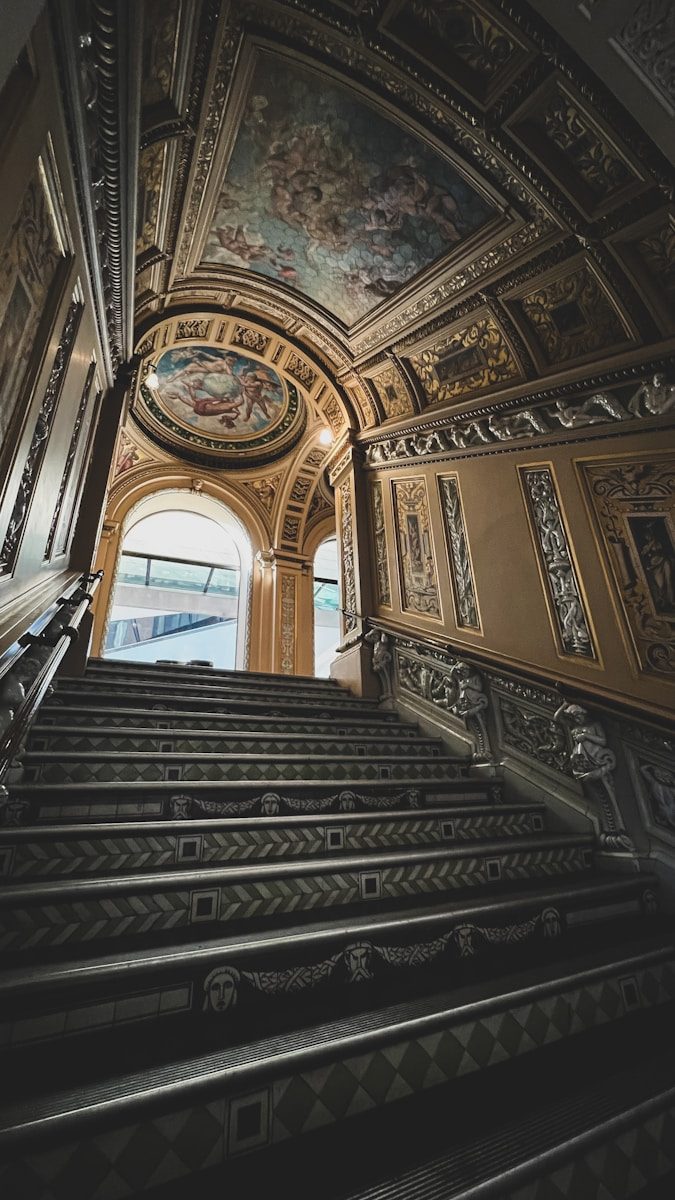
Across the United Kingdom, the deep-rooted influence of British heritage continues to shape not just how people design interiors, but how those spaces are photographed. Centuries-old architecture – from elegant Georgian homes to ornate Victorian properties and characterful country estates – brings a distinct sense of story and authenticity that many contemporary spaces cannot easily match. In an era where fleeting trends and glossy digital images often dominate, “heritage” stands out as something genuine.
Capturing More Than Just a Room
When it comes to interior photography, the job is no longer restricted to simply showing off a beautiful space. Instead, the goal is to translate the feeling, craftsmanship, and sense of identity that the room carries into every picture. Heritage brings another layer, challenging the photographer to capture not only the design or decoration, but a sense of history, continuity, and atmosphere. That’s why hiring a specialist such as an INTERIOR PHOTOGRAPHER United Kingdom becomes so valuable – someone who truly understands how to showcase spaces shaped by tradition, proportion, and materiality.
British Heritage Is More Than Just Looks
At first, British heritage may bring to mind grand details: intricate wall panelling, stately fireplaces, high sash windows, and well-loved antiques. Yet heritage is really about more than what meets the eye. It encompasses how the building comes together – the way light falls across a timeworn floor, or how original features comfortably settle beside modern updates.
For an interior photographer, highlighting these qualities is key. Images should tell viewers about the values behind the space, whether it’s a meticulous restoration that celebrates old materials, a boutique hotel marrying past and present, or a restaurant within a protected building that finds a balance between tradition and modern function. In this way, heritage shapes the entire visual identity of a project.
The Visual Appeal of British Heritage Interiors
British interiors intrigue photographers because they offer depth, texture, and real character. Unlike pared-back minimalist rooms, historic interiors use layers: aged brick or stone, natural timber, plush fabrics, patterned wallpapers, and the warm reflection of natural light. All these elements come together to create rich, engaging photographs.
Older buildings present unique photographic opportunities. Rather than simply relying on minimal lines and clear spaces, the photographer embraces quirky details, unexpected lighting, and lovingly uneven features that only age can produce. This creates photos that feel lived-in and full of life – images that tell a genuine story, and which brands and property owners appreciate in their marketing.
Making Light Work in Heritage Spaces
Light is always important to interior photography, but in heritage properties, it becomes absolutely essential. Many older British buildings have smaller windows and thicker walls, leading to noticeable changes in brightness across rooms. Instead of fighting these differences, the best photographers use them to their advantage.
Soft natural light reveals the subtle beauty of aged materials – showing the patina of wood, the richness of stone, and the intricate lines of plasterwork. Carefully chosen angles let side light highlight mouldings and panels, revealing craftsmanship and detail. The aim is to preserve the true experience of being in that place, rather than flattening everything with artificial, even lighting. This approach keeps the spirit and mood of British heritage interiors alive in each shot.
Attention to Craftsmanship and Details
A hallmark of British heritage interiors is undeniable craftsmanship. From carved staircases and hand-laid floors to authentic textiles and restored joinery, these details bring each space to life. Thoughtful photography puts such features center stage by mixing wide views with detailed close-ups, ensuring nothing of importance is lost.
For clients, showcasing craftsmanship in images is more than just aesthetics. For developers, it highlights the value of careful restoration; for interior designers, it illustrates expert material choices; and for hospitality brands, it communicates luxury and authenticity, demonstrating care at every level.
Heritage Photography for Today’s World
Although historic interiors look to the past, the images made to highlight them must suit today’s fast-moving world. Photos need to work online – on websites, social media, and in marketing materials – as well as in print for editorial features, brochures, and awards. This demands clear, polished, and expressive images that tell the whole story at a glance.
Specialist photographers know how to create these kinds of images, striking a balance between historical accuracy and modern commercial needs. Working sensitively with light, composition, and materials, they capture the soul of a heritage space for a contemporary audience. More realistic, thoughtfully edited photos tend to feel inviting and believable, letting the true character shine through.
Old Meets New: Blending Heritage and Modern Design
A growing trend in British interiors is the blending of old and new. Rather than keeping historic homes as untouched museums, many owners combine period architecture with modern kitchens, unique lighting, and current stylistic touches. This approach brings comfort and practicality, allowing properties to evolve for today’s lifestyles.
For photographers, these mixed spaces are both a challenge and an opportunity. The images need to show harmony between eras – where a modern kitchen sits gracefully within a Georgian home, or a sleek sofa feels at home among Victorian cornices. When done right, the essence of the past is preserved, while clear signs of modern life make the interior feel approachable and real.
Why Heritage Imagery Supports Brands and Business
There’s a reason British heritage endures in both interiors and photography: it communicates value. Whether you manage a hotel, run a design studio, develop properties, or oversee a historic estate, strong interior images rooted in heritage can build trust with audiences. Heritage brings to mind quality, reliability, and thoughtful detail – values that instantly set a business or property apart.
Photographers working in heritage settings aren’t just documenting rooms – they’re storytelling partners, shaping how future guests, buyers, or clients experience the space for the first time. In this way, well-taken heritage images become vital visual assets for any brand.
The Lasting Emotional Appeal of Heritage Spaces
What really sets heritage interiors apart is their emotional resonance. People are naturally drawn to spaces that feel storied, rooted, and personal. A softly lit library, original wood panelling, or a perfectly restored hallway can evoke feelings of peace, nostalgia, and belonging. Even as times change, heritage design has a unique way of making people feel connected to place and tradition.
Thoughtful interior photography is what amplifies this emotional draw. The right frame, the right moment, the right detail can transport viewers into the room itself. That’s why heritage-focused photography remains invaluable across the UK – because it doesn’t just show a space, it invites you to feel it.
British heritage, then, remains much more than just a backdrop for old houses and antiques. In the world of modern interior photography, it’s a rich visual language – telling stories of craft, atmosphere, and authenticity in every shot. And with the right approach, these images become some of the most powerful tools for sharing what makes a space truly special.