

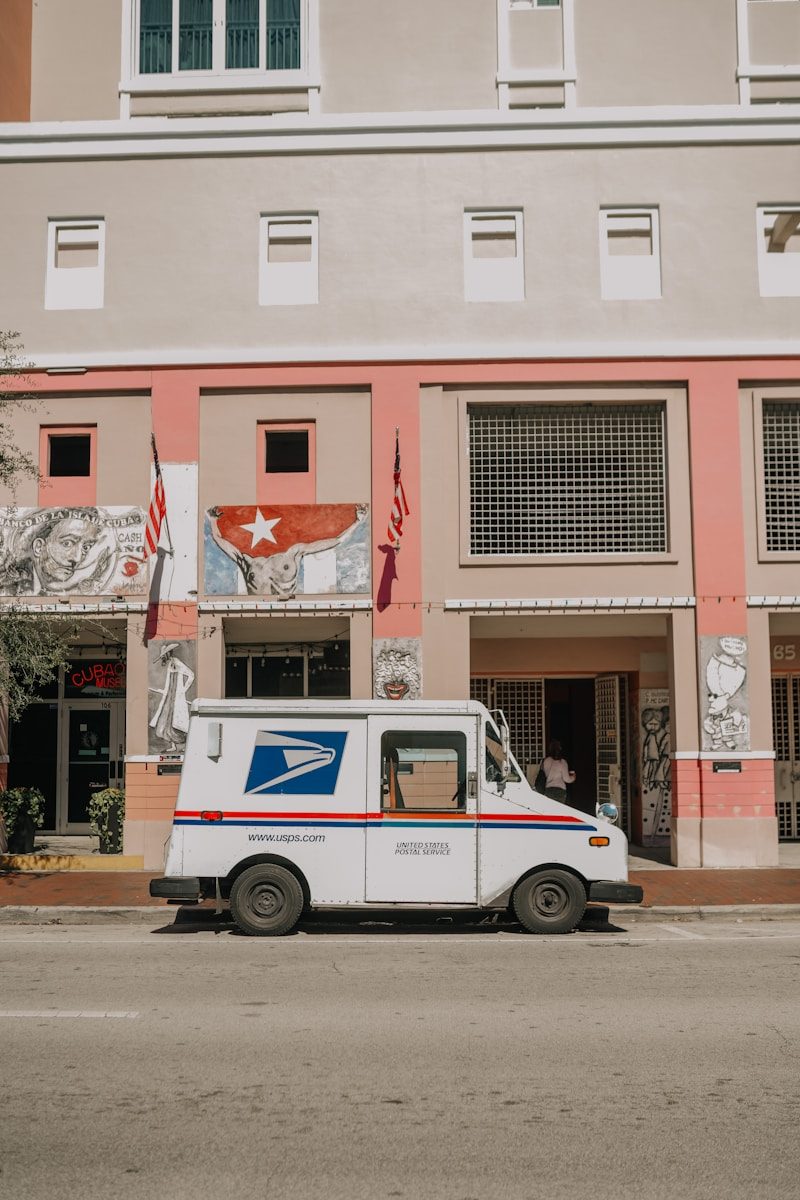
Beneath the familiar sight of white uniforms and mail trucks lies a massive network that keeps America’s mail moving. Most people think of a postal worker as someone who delivers mail, but that’s just one piece of the puzzle. The U.S. Postal Service depends on hundreds of different specialists – many who never touch a mailbox. A modern postal job could mean managing logistics, developing AI solutions for routing, or keeping gigantic sorting machines running. If you think a postal career only means being outside with letters, think again. The network thrives thanks to countless roles behind the scenes, and the importance of these postal jobs keeps growing as the system becomes more advanced. If you’re curious about what really happens behind those post office doors – or are considering a new career – resources and more details on these jobs can be easily found online.
The Backbone: Postal Support Employees
Post offices and distribution hubs can be chaotic places without the steady work of Postal Support Employees. Unlike mail carriers, these employees work indoors, sorting, preparing, and loading massive amounts of mail every day. Their responsibilities include running heavy machinery, moving packages from conveyor belts, and making sure each item is ready for delivery. Earning around $53,886 a year, these workers are essential for keeping the flow of mail organized and efficient. Imagine mountains of unsorted packages – without Postal Support Employees, nothing would get to your door on time. These team members are the true unseen backbone of the entire postal operation.
Keeping Everything Moving: Transportation Specialists
Not every postal worker handles mail directly. Some, like Transportation Specialists, focus on planning and coordinating how mail gets from one point to another. Instead of sorting letters, they’re reading data, mapping out truck routes, and coordinating schedules so nothing gets delayed. In a sense, they’re the “air traffic controllers” of the postal roadways, mapping out how bulk shipments travel across the country. With delivery speed now more important than ever, these specialists make sure every truckload is efficient and every route is planned down to the minute. A single mistake can cause slowdowns and cost millions, making their job vital to the overall system.
Powering Efficiency: AI and Data Analysts
Technology is now at the heart of the Postal Service. Teams of data analysts and AI experts are designing intelligent systems that can sort and route mail faster than ever. USPS has started using “agentic AI” – technology that makes real-time decisions about delivery routes and package tracking without waiting for human input. These specialists are responsible for programming the algorithms that process hundreds of packages every second. By predicting delivery times and even detecting fraud, they help the Postal Service stay competitive with private delivery companies. In the past, finding a missing package might take days; now, a smart system can do it within hours. These digital problem solvers are leading the way toward a cutting-edge postal industry.
The Friendly Faces: Postal Clerks
While not working outside, Postal Clerks are the most visible employees you’ll meet inside a post office. With an average salary of about $37,076 per year, their tasks range from weighing packages to selling postage stamps and helping with address changes. They are the go-to experts when customers need to set up a P.O. box, redirect mail after a move, or purchase money orders. Without their detail-oriented help, countless customer transactions would become tangled or delayed. Postal Clerks make sure every mailpiece is accounted for and set up for the next stage of its journey.
Moving the Bulk: Mail Handlers
People often confuse Mail Handlers with mail carriers, but Mail Handlers rarely step outside the warehouse. They’re responsible for loading and unloading trucks, moving bulk shipments, and sorting huge batches of mail. This job is physically demanding and involves moving heavy packages quickly to keep everything on schedule. Mail Handlers ensure that every truck leaves full and organized and that no box gets damaged in the rush. Their work sets the stage for efficient mail movement across the country, even though customers never see them at work.
Behind the Wheel: Motor Vehicle Operators
Some postal employees drive, but their job isn’t to deliver to homes. Motor Vehicle Operators, or MVOs, haul large cargo between facilities – think moving a whole truckload of mail from a central warehouse to a neighborhood post office. Their routes don’t involve house-to-house stops, but instead focus on mainline, high-capacity trips that keep the entire mail chain connected. Driving these heavy postal vehicles calls for extra skills, especially in managing long distances and tight delivery windows. Without these operators, local post offices wouldn’t have the inventory needed for carriers to finish their routes.
Shaping the Future: Strategy and Solutions Leaders
At the highest level are officers responsible for planning the future of the Postal Service. These professionals are experts in strategy, facility placement, and integrating technology. Leaders in this area often come from backgrounds in logistics at major companies and use their knowledge to decide where to build new hubs, how to implement automation, and guide the Postal Service through shifting economic trends. They look at big-picture changes in regulations, tech, and industry practices to make sure the USP remains a leader in logistics and communication. Without their direction, the service wouldn’t be able to keep up in a rapidly changing world.
The Next Chapter in Postal Careers
The Postal Service is more than just moving envelopes and postcards. It’s an organization powered by many types of work – from manual labor in sorting facilities to writing code for advanced delivery algorithms. As automation and AI continue to change the landscape, the demand for these specialized, non-delivery roles will only increase. These careers are perfect for anyone who wants job stability, interesting work, and a chance to make a difference to millions of Americans who depend on the mail every day.
The term “postal job” means so much more now. Whether you’re driven by technology, interested in logistics, or want a hands-on career in sorting and processing, there are more paths than ever before. For those ready to dive in, positions and career insights are available at resources like elevantocareers.com. Behind every delivered letter or package is a network of dedicated professionals – and the Postal Service continues to move forward thanks to their expertise and teamwork.
The seven unique roles described here prove that the Postal Service is a modern, forward-thinking organization. From warehouse floors to computer workstations, these employees are the reason mail still reaches families and businesses across the country. As the industry keeps advancing, the contribution of these non-delivery professionals will become even more crucial, ensuring that this American institution stays reliable, efficient, and ready for the future.